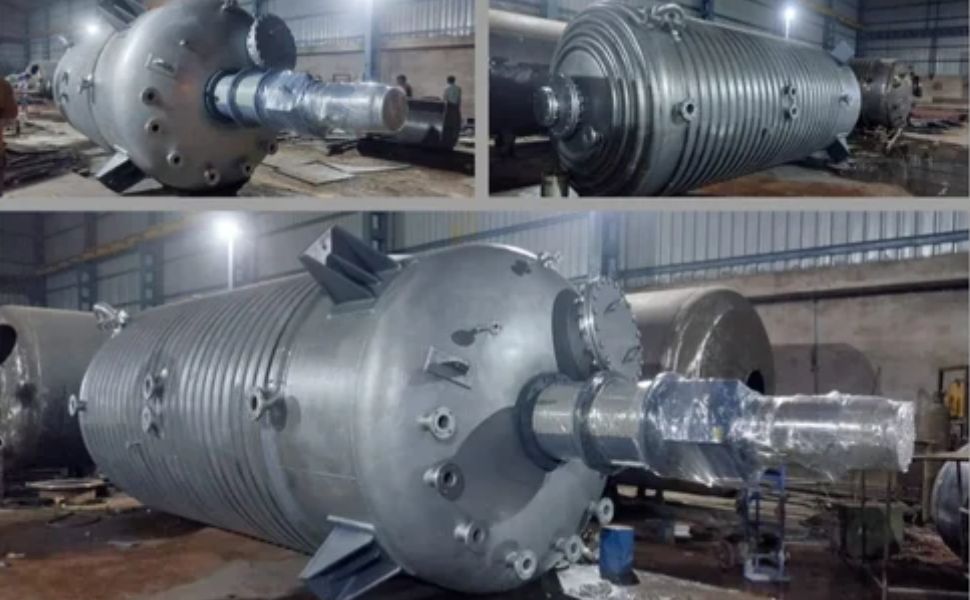
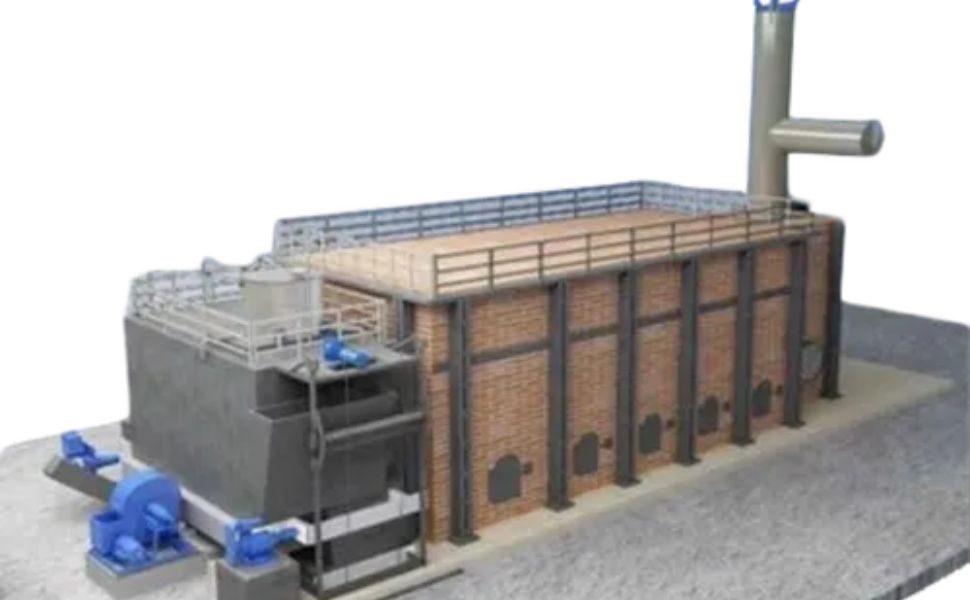
(A) COCOA PROCESSING PLANT
A cocoa processing plant is a facility that transforms raw cocoa beans into semi-finished products like cocoa liquor, cocoa butter, and cocoa powder, which are then used to create chocolate and other food items. The process involves several stages, including fermentation, drying, roasting, winnowing (removing husks), grinding, and pressing.
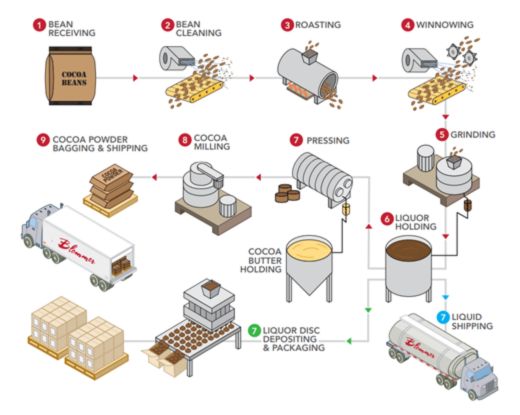
BEAN RECEIVING:
Cocoa growing regions are tropical environments near the equator. Once ripe, the farmers remove the cocoa pods from the tree allowing them to remove the cocoa beans from the pods. The cocoa beans are fermented in large piles and then dried for transport. Next, the beans are shipped to the factory for further processing.
BEAN CLEANING:
The cocoa beans are sent through a destoner and aspirator to remove any sticks, stones, or debris and are stored in designated silos separated by origin.
ROASTING:
Roasting helps the beans to develop a strong chocolate flavor, remove unwanted volatile compounds, and reduce the micro count. Different roasting temperatures can deliver different flavor profiles.
WINNOWING:
Winnowing is the process of removing the outer shell from the nib. The nib is ground down into chocolate liquor, the main ingredient in chocolate.
GRINDING:
Nibs must be ground to make the cocoa particles smaller and release and liquefy the cocoa butter trapped within. They are approximately 52-55% cocoa butter, so the resulting product, known as chocolate liquor, is liquid at warm temperatures.
PRESSING:
Hot chocolate liquor enters a large hydraulic press where the solids are held (cocoa cake) while the liquid (cocoa butter) is removed
LIQUOR HOLDING:
Chocolate liquor is segregated into tanks by origin or sustainability certification and kept for internal use or for shipment to customers.
COCOA MILLING:
After pressing, the cocoa cake is milled into cocoa powder.
COCOA POWDER BAGGING AND SHIPPING:
Cocoa powder is weighed into bags and placed on a pallet for shipment.
(B) Silicate Glass making and dissolving plant
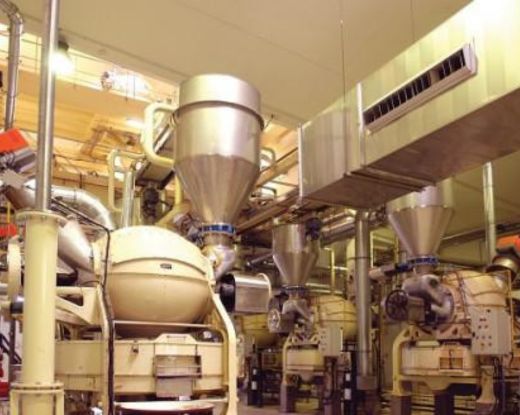
A silicate glass making plant involves the mixing of primary raw materials (silica sand, soda ash, and limestone), melting them in a high-temperature furnace, forming the molten glass into specific products, and then controlled cooling (annealing). The exact process and equipment depend on the type of glass produced (e.g., flat glass, bottles, or sodium silicate).